

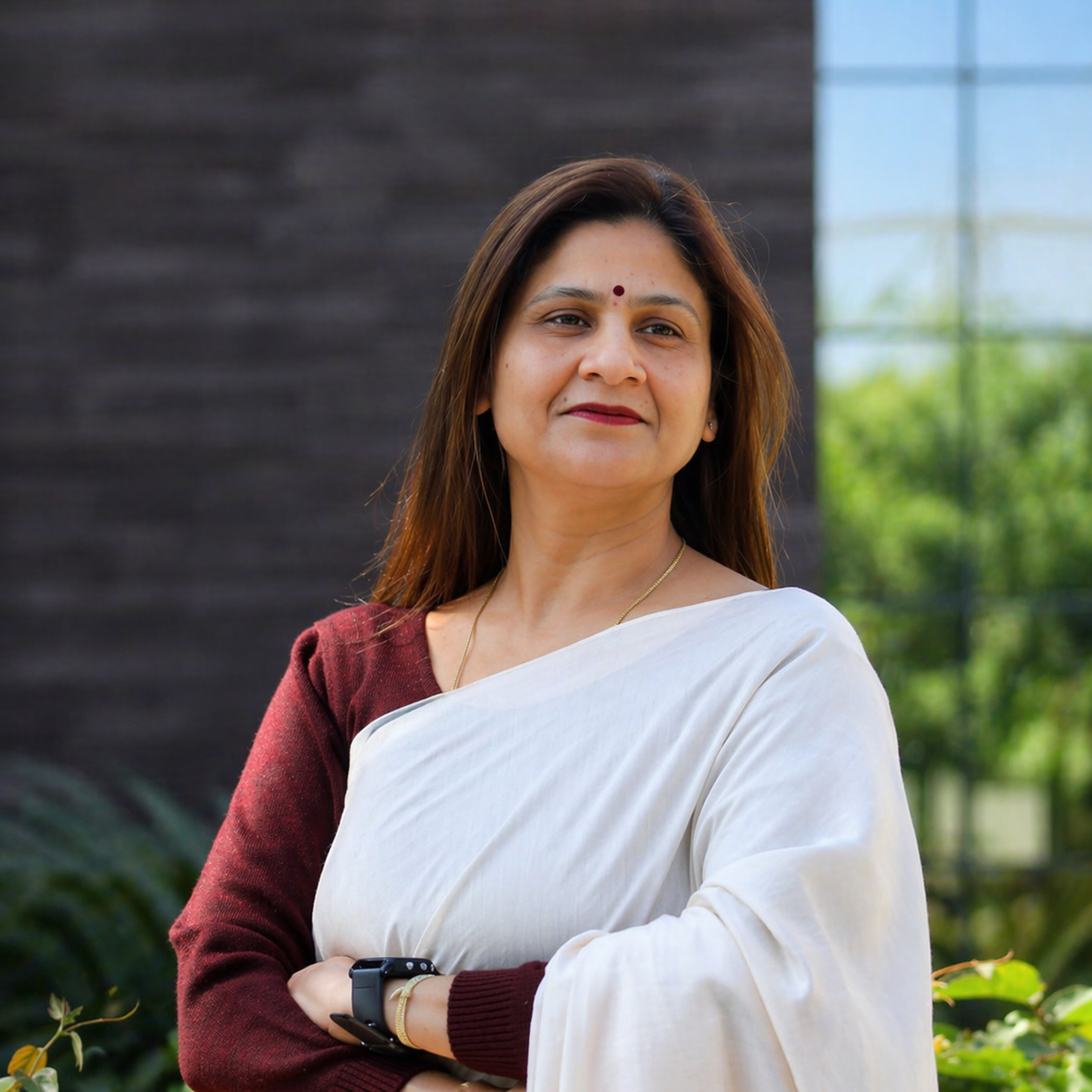
Shuchi Sharma
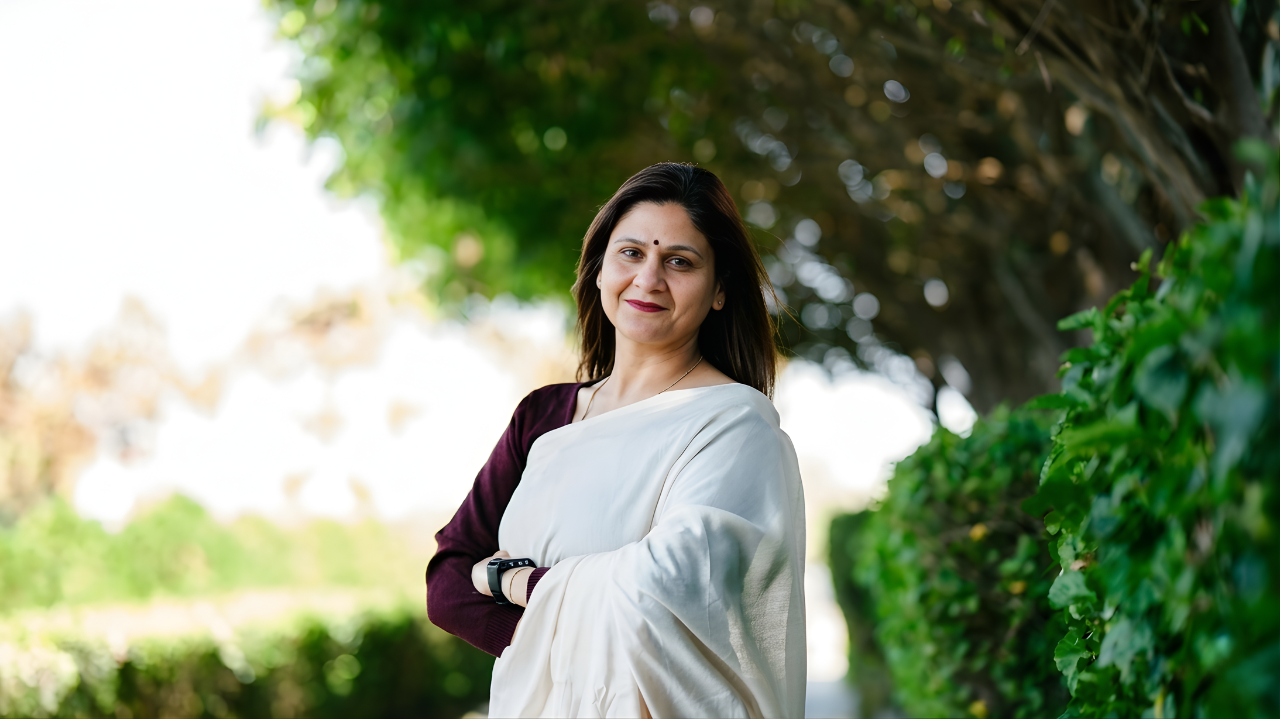
Twenty years inside schools in every role — teacher, coordinator, dean, principal, school-builder. She leads every Devsh engagement.
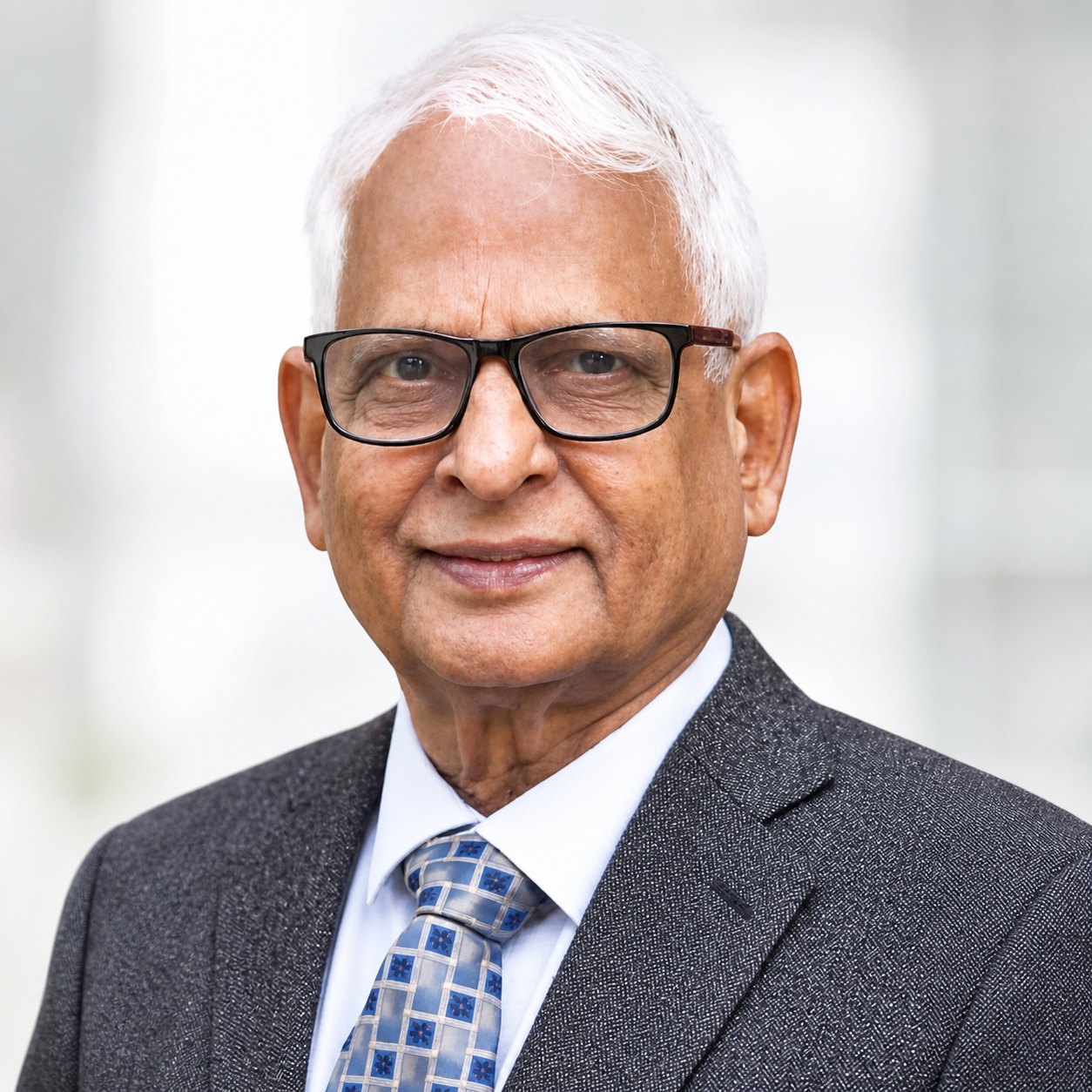
Devsh is not a name that was designed in a meeting or chosen to sound impressive. It came from two people—a father and a daughter, sharing a name, and everything that name quietly carries.
He is the kind of person who fixes things without being asked and moves on before anyone notices. Who sat beside his children on winter nights while they studied—not correcting, not instructing, just there—because he knew that a child studying beside a parent does not feel quite so alone.
He bound plain sheets of paper into writing registers—not the ruled ones, because a child who learns to write straight on an unmarked page is learning something more important than handwriting. He kept an Atlas and a Globe at home before anyone asked for one. He brought books that had nothing to do with the school syllabus—because he understood, without making a point of it, that the learning which changes a person usually happens outside the curriculum.
He believed that how you do the small things is how you do everything. So he does the small things beautifully.
His daughter watched this for thirty years. The way he fixed a chair is the way Devsh approaches a struggling school—completely, carefully, without announcing it.
Over twenty years inside schools — not observing from the outside, but living the reality of almost every role within them.
Shuchi has spent over twenty years inside schools — not advising them from the outside, but living inside them in almost every role they have to offer. Teacher. Coordinator. Dean. Principal — across very different schools.
For eight years, she worked as a Senior Education Officer building schools from the ground up: from the first piece of land, through approvals and first hires, to the day the school opened and the years that followed.
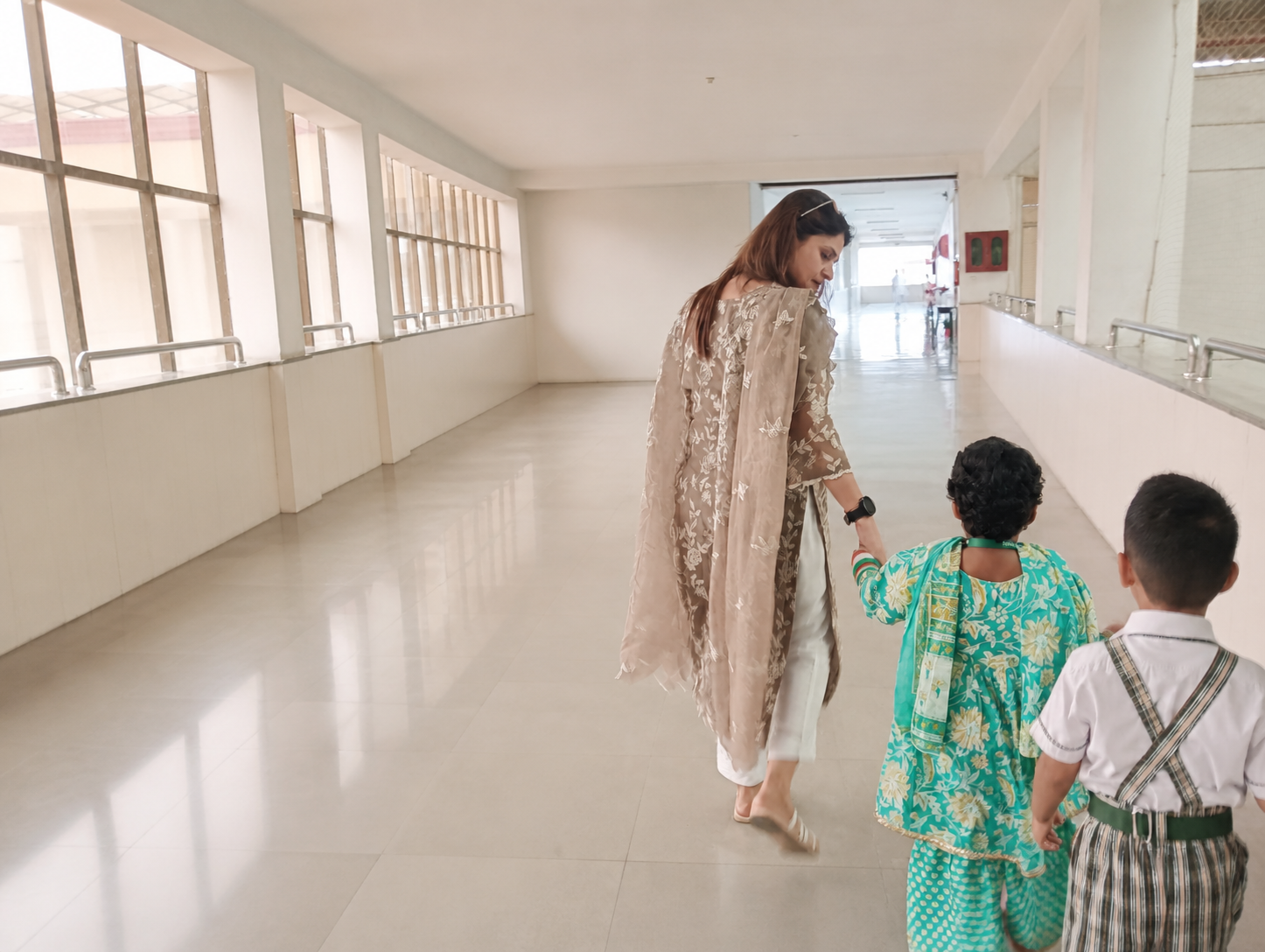
She has been in the room for almost every kind of problem a school can have. She knows what a principal at midnight feels like, what a safeguarding concern at seven in the morning looks like, and what it takes to hold a school’s culture together through a difficult year.
I have sat on every chair in the school. And I have never forgotten what any of them felt like.
In the middle of her career, she studied Psychology — not for a qualification, but to understand herself better. What she brought back was a deeper understanding of people, classrooms, and emotional weight.
She stopped helping one school at a time and began working alongside many. Devsh came into being — named for her father, carrying his values, and trying to be genuinely useful to schools doing hard work.
She listens before she speaks, reads a room before she reads a report, and understands not just what is being said — but what is being held back.
Not just an educator — but a thinker shaping how education should evolve.
Shuchi Sharma is an independent educational thinker with a clear and compelling vision for the future of schooling. A transformational leader in practice, she approaches change through thoughtful, step-by-step actions, each aligned with a larger purpose.
Her work is anchored in the belief that every child deserves not just knowledge, but deep understanding and strong cognitive abilities that prepare them for an evolving world.
In a time when education often leans toward the transactional, she stands out as a leader who blends purpose with practice. For many, she is not only an inspiration but also a mentor who demonstrates how meaningful change in education can be thoughtfully realised.
We are not in the habit of making claims we cannot stand behind. Here are some specific things that changed in schools we have worked with.
Built on honest parent engagement and a genuine plan for each child’s next step.
Not just paperwork, but real institutional readiness across systems and practice.
Fewer children fell behind — not just individual progress, but broader classroom outcomes.
Because the system held — not just the person occupying the role.
Through deep conceptual teaching, not rote preparation.
Including schools in Kuwait and Muscat — helping students make informed choices at a critical age.
Through a brain science curriculum now running in schools with measurable outcomes.
Still running within the school long after the engagement ended.
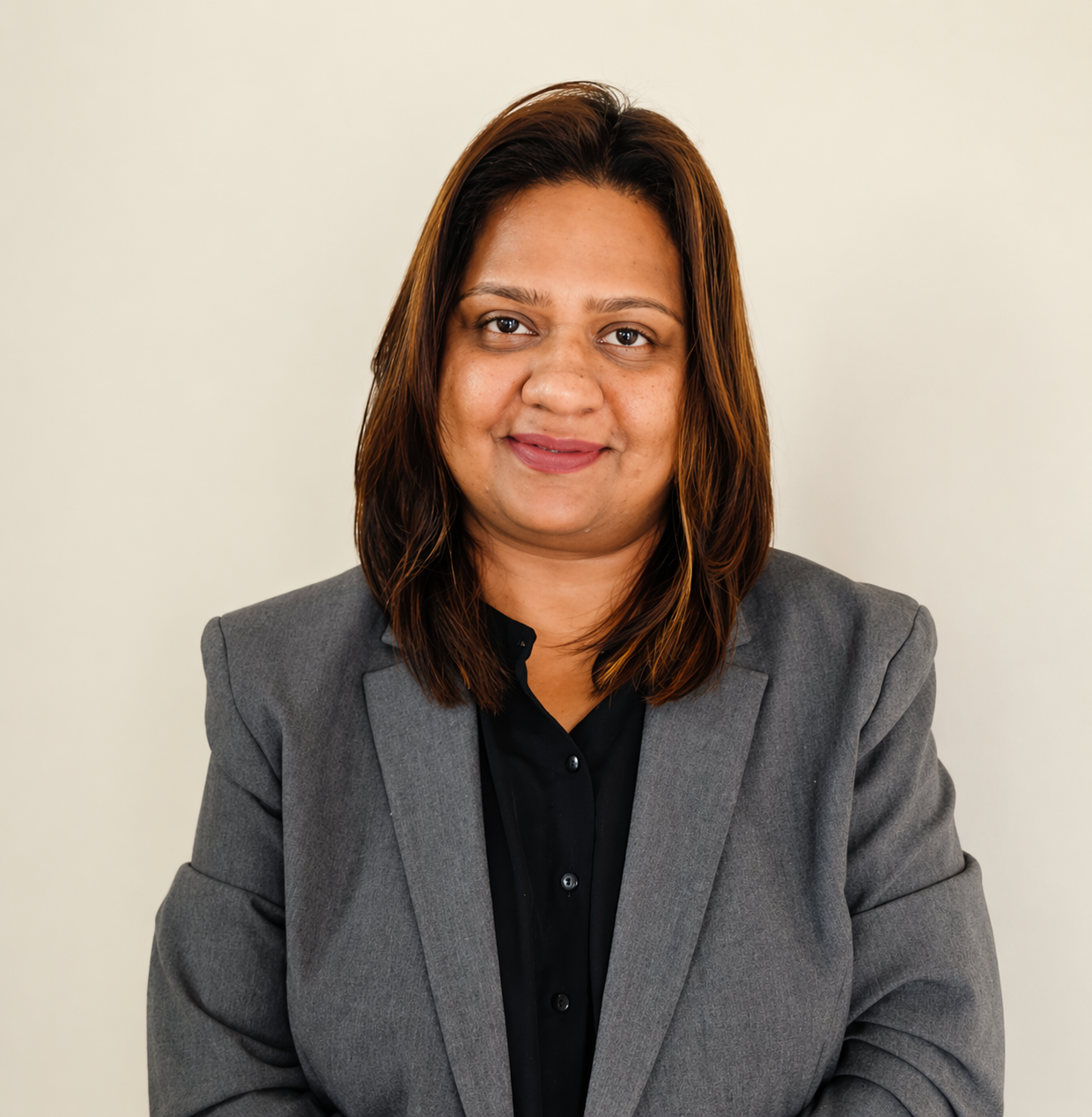
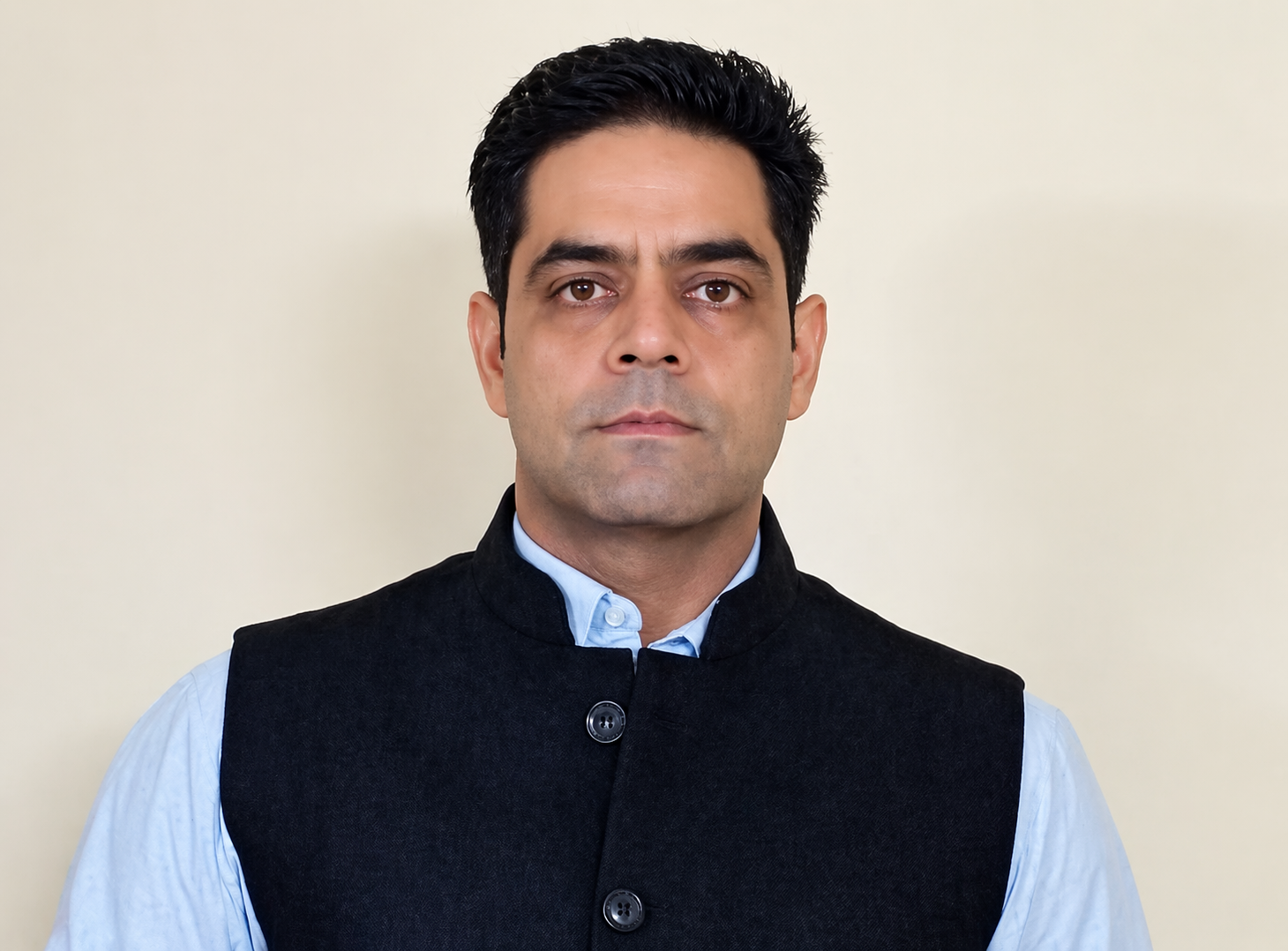
We are a small team who care deeply about education and have spent most of our working lives inside it. Between us, we cover every dimension of what a school needs. Every engagement is led by Shuchi, with other members brought in depending on what your school needs.
Twenty years inside schools in every role — teacher, coordinator, dean, principal, school-builder. She leads every Devsh engagement.
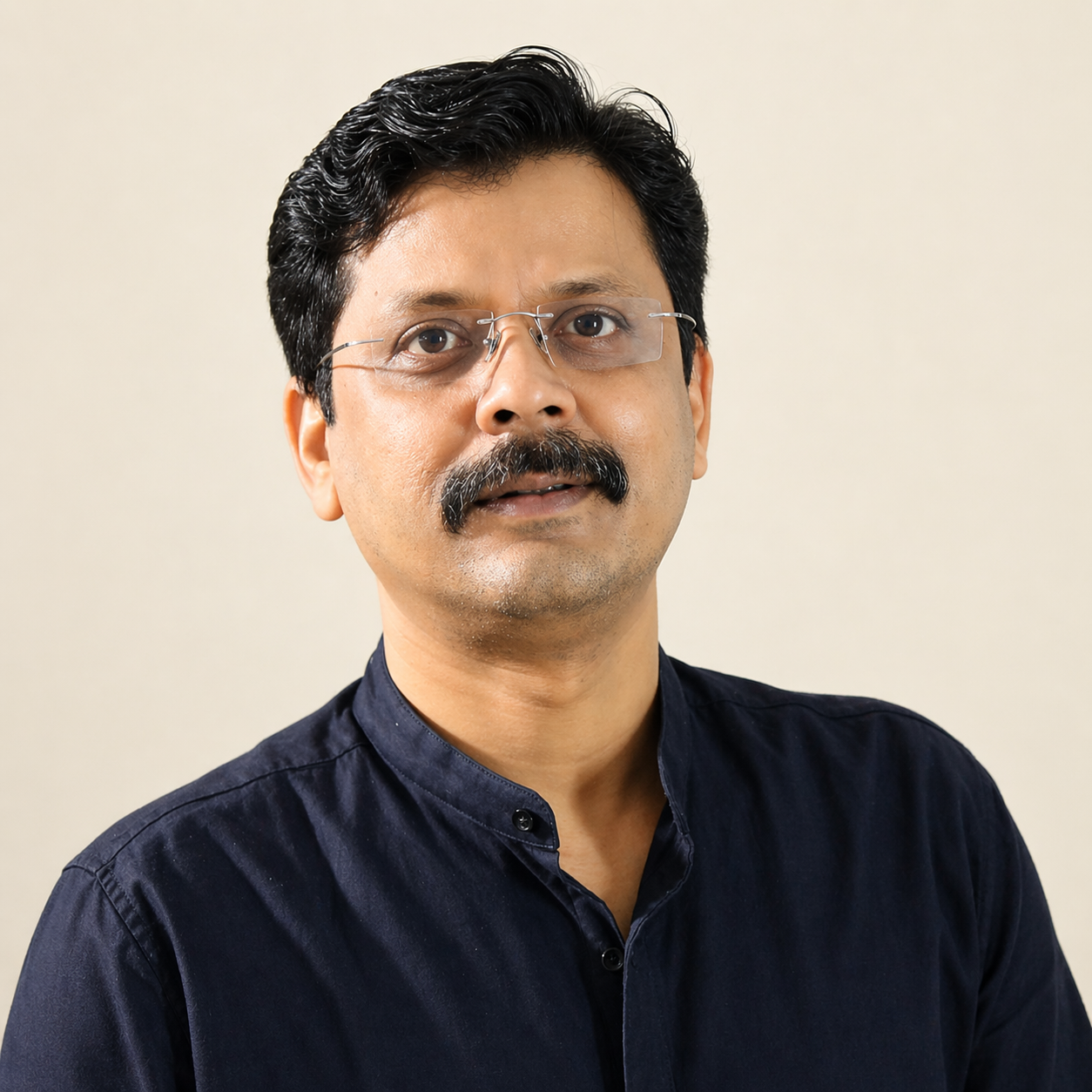
He holds the world record for the largest memory lesson ever conducted for students. He has spent his career genuinely understanding how people learn — and using that to help students and teachers unlock what they are capable of.
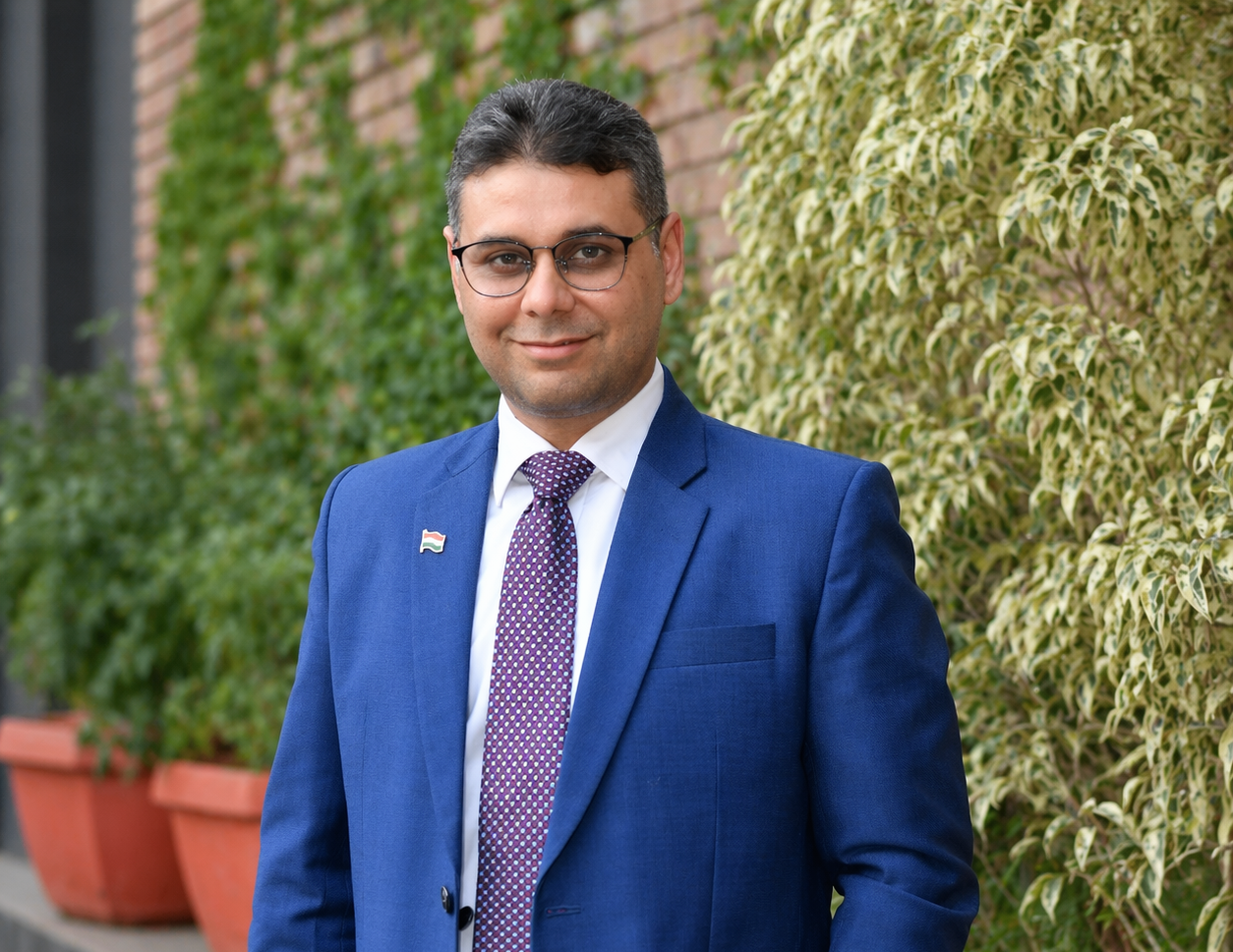
One of India’s most experienced science educators. His students have reached the very top of national competitive examinations — not because he drilled them harder, but because he taught them to understand deeply enough that no exam format could surprise them.
She builds curriculum frameworks that actually live in classrooms, not just in planning documents. As a Programme Coordinator in IB schools, she has lived through the full authorisation journey — not as an adviser standing outside it, but as the person inside the school making it happen. She has trained teachers in IB philosophy and practice, supported schools through authorisation visits, and helped institutions build the academic systems that keep them compliant and credible long after the authorisation is awarded.
Vivek works with school owners and boards on the financial architecture of their institutions: fee design, budgeting, sustainability planning, and growth strategy. He also brings genuine marketing expertise — helping schools move beyond vague branding to a clear, honest articulation of what they stand for and who they are for.
Anvit works on digital strategy, AI integration, and EdTech selection — and with teachers on building the confidence and skills to use technology well. In a landscape where CBSE has now mandated Computational Thinking from Grade 3, having someone who understands both the policy and the practice is no longer optional.
Send us a message and we will come back to you within 24 hours.